




The Carbon Impact of Manufactured VS Refurbished Computers
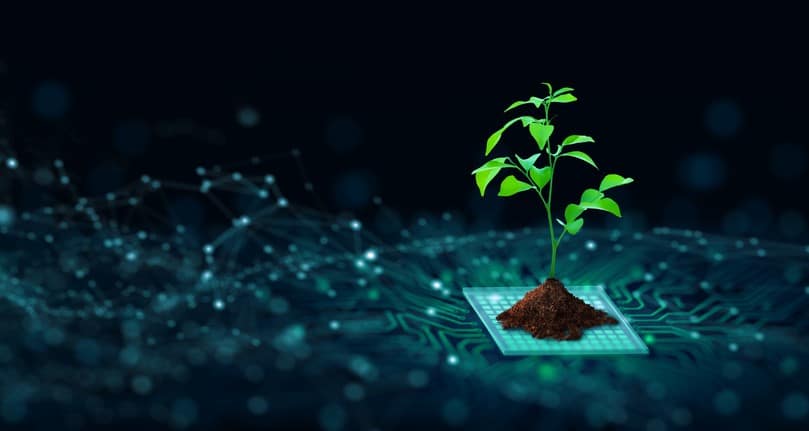 Too caught up in the excitement of the release of the latest digital gadgets, an aspect consumers often overlook when purchasing a new laptop or tablet is the carbon footprint associated with their manufacture. And with over 200 million new computers manufactured every year, this makes the IT industry accountable for as much greenhouse gas emissions as the aviation sector.
It’s understandable that with a digital world comes a staggering surge in electronic device demand. However, these devices, although since introduced have enhanced our lives in many ways, are having detrimental impacts on our planet.
This revelation shows that our digital footprint is more than just virtual and therefore underscores the need for more sustainable solutions within the tech world. In this article, we’ll look into the impact of computer manufacturing while explaining how the purchase of refurbished devices through Get Online @ Home can mitigate these effects.
How Does a Laptop Affect Climate Change?
Carbon Footprint During Production
The process of manufacturing a single computer, laptop or tablet involves an intricate supply chain spanning across continents, each step contributing to its carbon footprint. Highlighted by the statistics below, each stage of the production journey emits greenhouse gases, from the raw mining of materials to the transportation of the final product:
- Through research of 230 laptops the average CO² emissions during production of a new laptop is 331kgs where the majority of emissions come from production and materials used e.g., 190,000 litres of water plus 1,200kgs of earth dug and mined per device.
- The manufacturing phase of a laptop lifecycle accounts for 75% – 85% of the overall carbon footprint.
- Estimated transportation emissions are 30 kg CO² equivalent from air transport of the laptops from the country of assembly to the country of use.
- So, an average laptop’s carbon impact is 361 kgs CO² equivalent (332+30 kgs).
Therefore, by purchasing a re-used laptop you can save up to 85% of the carbon footprint equivalent = 307 kgs CO² equivalent per laptop (361 kgs x 85%). To put this into perspective, this is the equivalent of:
- charging 37,429 smartphones
- driving 1,846 km in a diesel car
- 550 km round trip air flight
(Source: Circular Computing)
Carbon Footprint During Use
Carbon emissions associated with device production don’t stop after its production phase; rather, its use over its four to five-year lifetime plays a significant role. This is due to the energy required to power the device and the consequent greenhouse gas emissions resulting from this energy use.
An average desktop computer’s energy usage during its use phase varies considerably depending on factors like processor type and efficiency of power supply as well as user habits. But it is estimated that an average desktop consumes approximately 200W per hour.
Over its expected lifetime of four to five years, this amounts to between 1,168 and 1,460 kWh of consumption.
Carbon emissions associated with energy usage depend on its source. In the UK, each kWh of electricity generates approximately 0.233 kg of CO2. An average desktop computer produces between 272 and 340 kg of CO2 during its 4–5-year lifespan through energy use alone.
The Role of Refurbished Computers
Refurbished devices provide an efficient sustainable solution to this problem. By purchasing one, you are prolonging its useful life and decreasing demand for new production, saving resources that would have otherwise been used in making something new as well as decreasing emissions related to production processes.
Get Online @ Home is making a significant impactful statement about technology accessibility while encouraging sustainability in this way. By offering high-quality refurbished computers at reasonable prices, Get Online @ Home makes technology available and accessible for everyone while contributing towards environmental preservation.
How Get Online @ Home is Helping the Planet
Every purchase made through Get Online @ Home is directly contributing to reducing the carbon footprint of the tech industry. Here’s how:
Reducing E-Waste and Promoting the Circular Economy
Refurbished laptops play an essential part in the circular economy, where products and materials are reused, refurbished, or recycled to extend their lifespan and reduce waste. By selecting a refurbished laptop, you are supporting this sustainable approach by giving electronic devices another life; helping reduce the amount of e-waste being sent directly to landfills while encouraging responsible resource usage.
Conserving Resources
Manufacturing new electronics consumes vast quantities of raw materials, energy and water resources. By extending the lives of existing devices through refurbishment, demand for new production decreases significantly – thus helping conserve precious mineral deposits, metal ores and fossil fuels that would otherwise be depleted through production alone.
Lowering Carbon Emissions
Energy used during production contributes greatly to a computer’s carbon footprint, so extending its life through refurbishment and resale reduces overall emissions by cutting the production of new devices and in turn, emissions.
Overall,
The environmental impact of refurbished digital devices is undeniably positive when compared to the production of new electronics. These devices conserve resources, save energy, reduce e-waste, and lower carbon emissions.
By opting for refurbished devices from Get Online @ Home, you can play a part in mitigating the effects of climate change produced by computer manufacturers. It’s a simple choice that not only saves you money but also helps save the planet.
To Shop Refurbished Computers click here!